Article Excerpt:
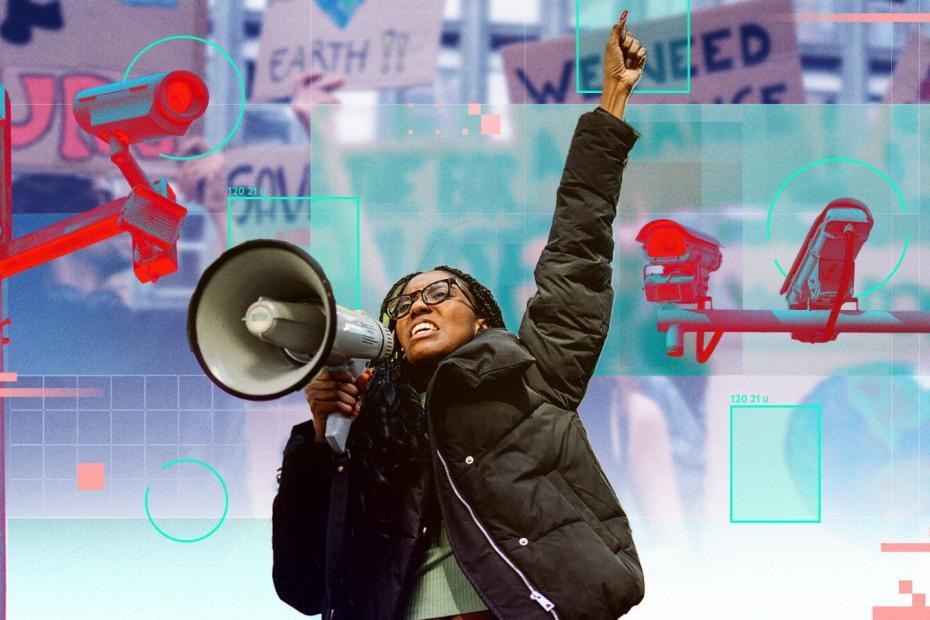
“The right to assemble and protest is enshrined in American law, but it can still be dangerous to hit the streets to make your voice heard. Your devices are a treasure trove of information about you, and you may not always know who’s collecting that data. Take a few minutes before you go to assess your digital and physical safety.”
Article Summary:
The right to protest is protected in American law, but digital devices can compromise personal safety and privacy. Phones are particularly vulnerable to tracking and surveillance by law enforcement and government agencies.
Key digital risks during protests include:
- Cellular, GPS, and Wi-Fi tracking
- Stingray devices that intercept phone signals
- Potential data sharing by tech companies
- Location tracking through smart devices
- Facial recognition technologies
- Social media information exposure
To minimize digital risks, protesters should:
- Device Preparation:
- Turn off Wi-Fi and Bluetooth
- Disable location services
- Consider leaving personal phones at home
- Use a “burner” phone if possible
Communication:
- Use encrypted messaging apps like Signal
- Set messages to automatically delete
- Be cautious about taking/sharing photos
- Avoid showing identifiable features in images
The Electronic Frontier Foundation recommends using passcodes instead of biometric authentication and being strategic about digital presence during protests. While digital tools can help coordinate and document events, they can also expose participants to potential tracking and legal complications.
Ultimately, the goal is to balance effective communication and organizing with personal digital safety and privacy protection.