Smart Ass Take:
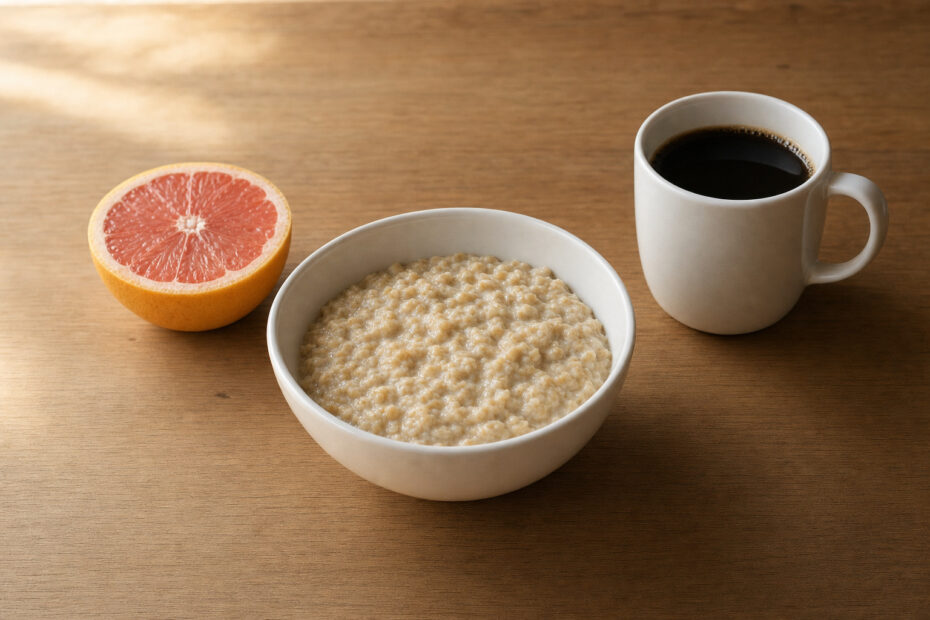
I have spent an embarrassing portion of my life optimizing things that did not need optimizing — researching the fourth-best blender on Amazon for three hours, then buying the third-best anyway out of spite — so Herbert Simon’s concept of ‘satisficing’ hits me somewhere tender. The idea is simple: pick something good enough, and move on. Simon wore the same socks, ate the same breakfast, lived in the same house for 46 years — and won a Nobel Prize, presumably because he had freed up his brain from deciding what to put in his bowl every morning.
Article Excerpt:
By making up one’s mind to invest in a choice, regardless of more attractive options that may come along later, ‘a great deal of energy gets freed up for living, instead of being spent on wondering about how to live.’
Article Summary:
Herbert Simon, Nobel laureate and pioneer of cognitive psychology, spent his career arguing that humans are not built for maximizing — there are too many options, too little information, and not enough brain to weigh it all. His answer was ‘satisficing’: consider a manageable set of options, pick the one that clears a good-enough threshold, and get on with your life. He lived it, too. Same socks. Same breakfast. Same house for 46 years. One beret at a time, sourced from a specific European haberdashery.
The research backs him up. Psychologists developed a maximizer/satisficer scale after Simon’s death and found, unsurprisingly, that maximizers are less happy, more prone to regret, and spend a disproportionate amount of time comparing themselves to everyone else. Their standard — ‘the best out there’ — is a moving target that makes contentment structurally impossible.
The problem is getting worse. Consumer choices today outnumber those of preindustrial societies by a factor of roughly 100 million. Social media functions as a permanent highlight-reel comparison engine. Dating apps have industrialized the ‘what if something better is out there’ loop. And AI, the article warns, may make all of this dramatically worse by optimizing everything and expanding the menu of options indefinitely.
The piece closes with a Murakami story — two people who are genuinely perfect for each other, who let doubt talk them into one more search, and who never find each other again. Simon would not have been surprised. The lesson: set a good-enough standard, stop when it’s met, and spend what’s left on something that actually matters.