
Smart Ass Take:
Turns out the thing between your ears isn’t a camera, it’s a screenwriter with a deadline and a survival bonus. Your memories get rewritten every time you access them. Your “self” is a stitched-together character composite that would get flagged in any decent writers’ room. Your perception is, and I quote actual neuroscientists here, “a controlled hallucination.” Which is exactly why LEARN has to be a verb and not a vibe — continuous learning, the scientific method, and a broad consensus from a lot of diverse observers checking each other’s work are pretty much the only tools we have for pulling something like reality out of the mush. Everything else is your brain feeding you the flattering, coherent, survivable bullshit you were already inclined to buy. Comforting? No. Useful? Extremely. The first step in not being a fool is admitting the person most likely to fool you is currently reading this sentence.
Article Excerpt:
Almost everything you experience may be a carefully edited fiction.
Article Summary:
The article makes a case that’s been quietly building in neuroscience for a while: consciousness didn’t evolve to show you reality. It evolved to keep you alive. Those are very different jobs, and your brain picked the paycheck.
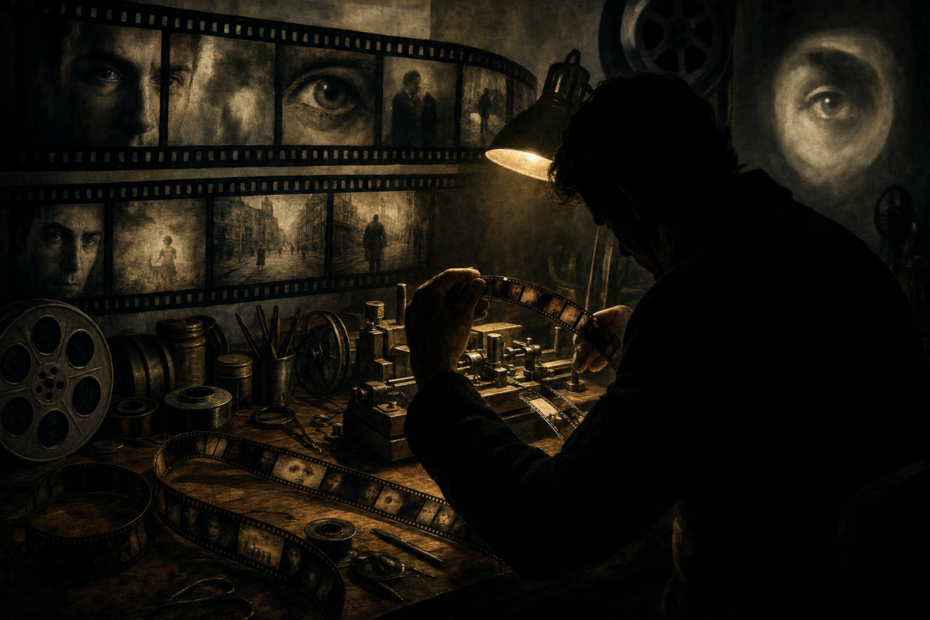
Instead of a high-resolution camera, your mind works more like a screenwriter — taking a firehose of sensory input and turning it into a fast, coherent story you can act on. Perception is described as a “controlled hallucination”: the brain predicts what’s out there, then checks the prediction against incoming signals. Optical illusions are just those prediction rules showing their work.
The self gets the same treatment. There’s no little CEO sitting in a command chair in your skull. There are a bunch of squabbling systems — memory, emotion, attention, body awareness — and consciousness edits their output into a single tidy protagonist named You. Memory, likewise, is not a hard drive. Every recall is a rewrite, tuned to serve your present rather than preserve your past.
The upshot is unsettling but weirdly freeing. Bias, anxiety, false memories, and stubborn illusions aren’t glitches — they’re features of a system optimized for survival, not truth. The useful question isn’t “is this real?” but “why did my brain decide to show me this particular version of it?”
Read the Full Article
Get the best of Sevenelles in your inbox. Free, no ads, one click to leave.
Subscribe